Who is it for?
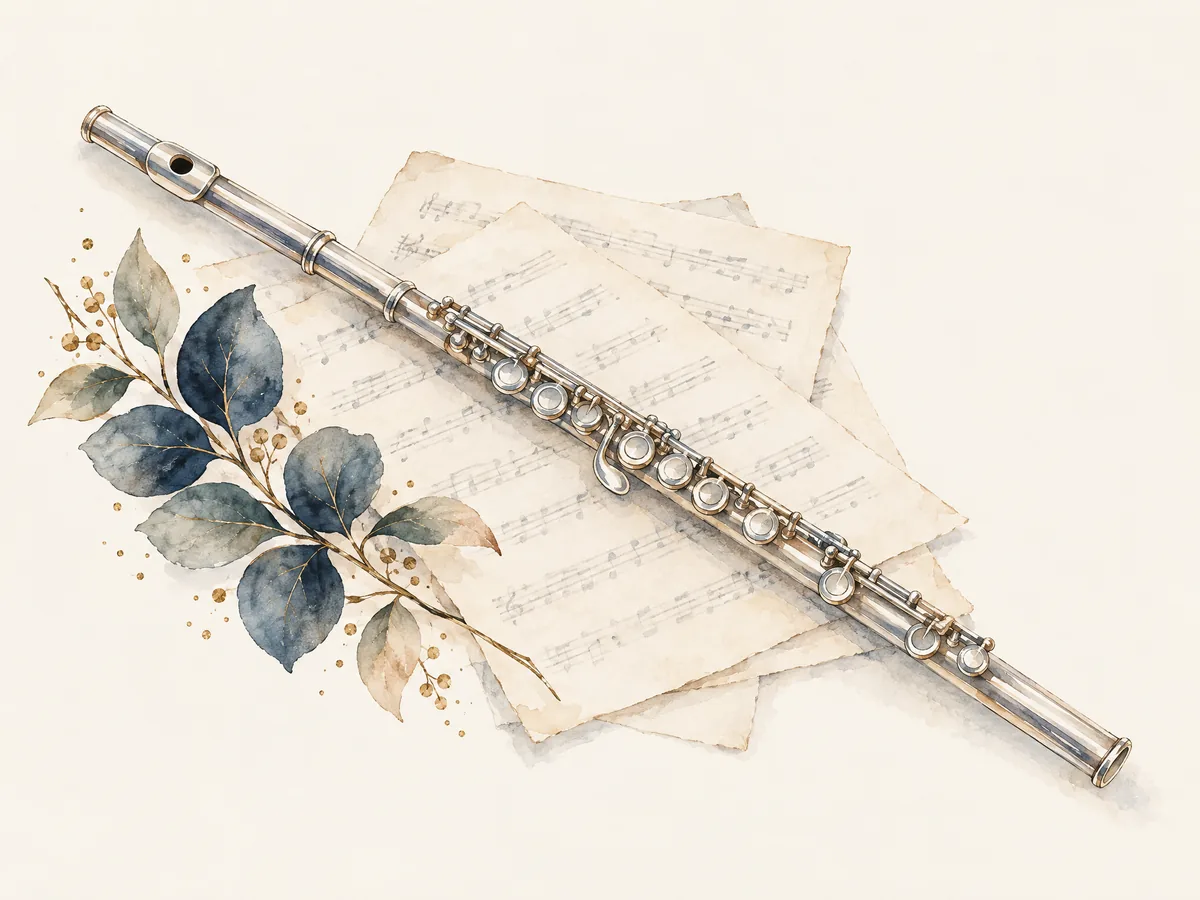
We teach the concert flute, also known as the transverse flute. Because it calls for breath control and a certain reach, children usually start once their hands and arms can hold the instrument comfortably. For younger players, a flute with a curved head joint can make the first steps easier.
Having played the recorder at school is a lovely start, but it is not required. Pianists looking for a second instrument also tend to progress quickly on the flute: they can already read music, so they can put their energy straight into sound and technique.
What do lessons cover?
- Breath and tone: support from the diaphragm, a good embouchure and a clear, warm sound.
- Posture and finger technique: holding the flute comfortably and keeping the fingers light and even.
- Reading and rhythm: playing what is on the page fluently and in time.
- Repertoire: pieces matched to each level, from short melodies to works with piano accompaniment.
- Playing together: learning to listen and blend by playing with piano or in duets.
How do we progress?
For some students a short preparatory stage helps before taking up the whole instrument: breathing exercises, making a sound on the head joint alone and some basic reading. By the time they hold the complete flute, they are already a step ahead with sound and posture.
In the first weeks, simply producing a clear sound is a discovery in itself. So we move forward patiently, noticing every small success, and the look on a child’s face when that first clean note arrives says it all.
Because Melis Mazmanoğlu plays both flute and piano, she can accompany her students at the piano during lessons. This lets children hear a piece as a whole and enjoy sharing music from early on. When they are ready, students can prepare for London College of Music flute exams and take part in the end-of-year concert.