Taking the stage: how student concerts help children grow
Behind a few minutes on stage lie months of preparation, and after them a confidence that lasts. What student concerts give children, and how parents can help.
5 min read
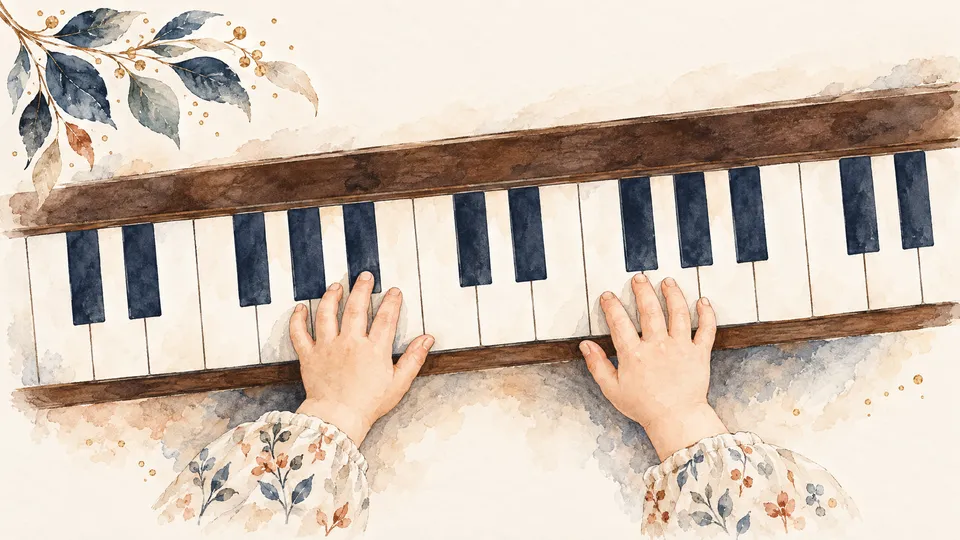
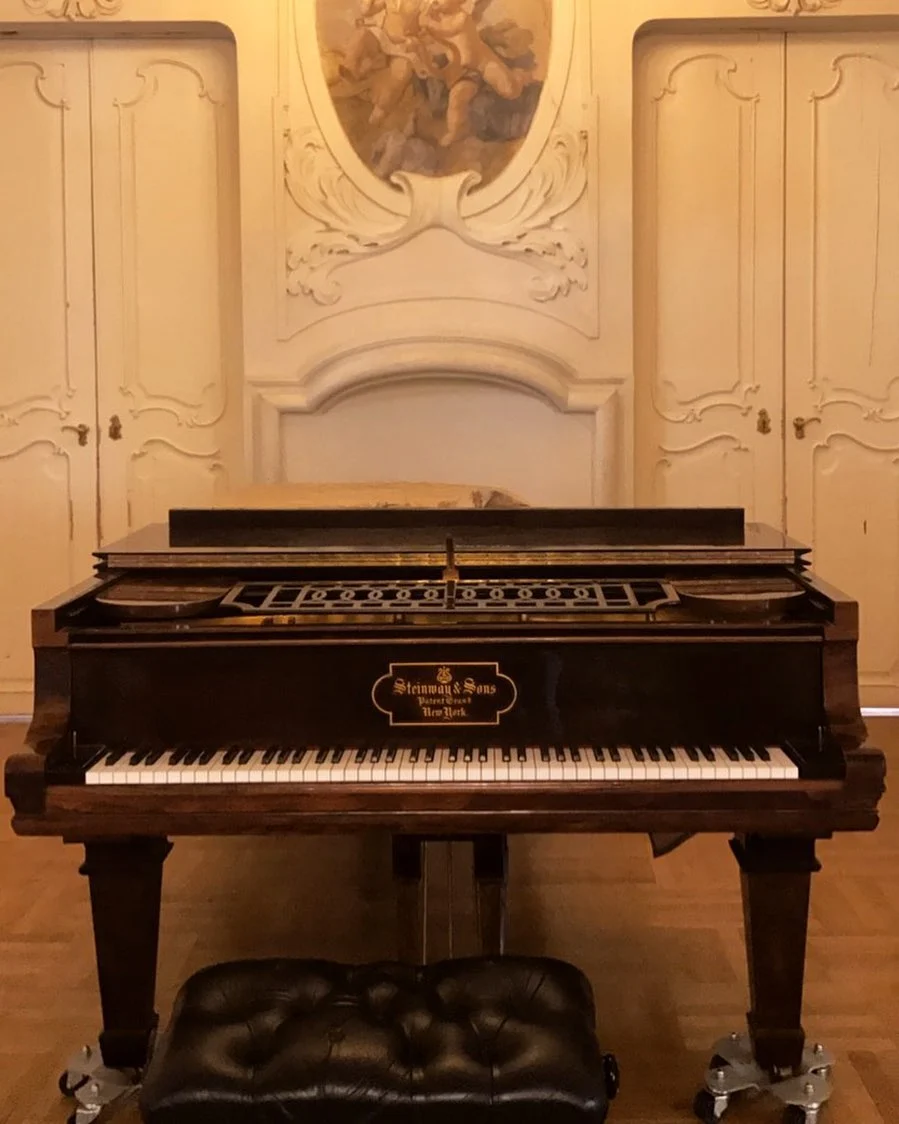
The hall lights dim, the whispering fades, and a small child walks towards the grand piano in the middle of the stage. They sit down, adjust the stool, hold their breath for a moment and play the first note. For the child, and for the family in the audience, those few minutes are unforgettable. Our End-of-Year Piano Concert at Soleil Sanat Akademi, held every June, exists for moments like these.
So what does performing give a child, beyond the music itself?
The value of preparation
A concert teaches a child how a long-term goal works. The piece is chosen months in advance; first the notes settle, then the tricky passages are solved one by one, and finally the music begins to “sing” as a whole. Children learn first-hand that small, daily practice will one day mean something on stage, a skill that serves them at school, in sport and in countless other areas of life.
Meeting nerves
Stage nerves are real and entirely natural. The aim is not to make them disappear, but to be able to play with them. In lessons we practise for this in small ways: playing the piece to the family, playing it “like a concert” from start to finish without stopping, and learning to keep going after a slip. By the day of the concert, the feeling is familiar, and children know they can handle it.
A child who has learned to manage nerves will draw on the same skill later, in a presentation, an exam or a job interview.
Choosing the right piece
The piece chosen for the stage does not have to be the hardest thing a child can play. Quite the opposite: a piece they have comfortably mastered, and can bring their own interpretation to, will go much better on the night. Nerves can make fingers tremble a little or the tempo creep up without anyone noticing, and a piece in which a child feels secure absorbs those small wobbles easily. We take their taste into account too, because a piece they love to play reaches the audience with that same love.
Making peace with mistakes
Not everything on stage goes perfectly. A note may slip, a passage may not come out quite as cleanly as hoped. A concert teaches children that a mistake is not the end of the world, and that the music carries on. Being able to keep going after an error is one of the real lessons the stage teaches.
Mind and body working together
Performing asks a child to manage attention, memory, fine motor skills and emotions all at once. They remember the notes while holding the tempo, and at the same time try to convey the character of the piece to the audience. With regular experience on stage, this many-sided effort becomes more and more natural, and it is no surprise that children who perform over the years often stay calmer in all sorts of situations, from speaking in front of a group to exam nerves.
Learning to listen
At a student concert children do not only play; they listen too. They see younger children taking their first steps and older ones tackling more ambitious pieces. This teaches respect and goal-setting in equal measure: a child who says “next year I want to play that piece” has already begun a new journey.
Being part of a community
In one-to-one lessons children usually work on their own. The end-of-year concert brings together children and families who are all on the same path. The certificates handed out on stage, the flowers and the group photos at the end give each child a sense of belonging, and that sense of belonging feeds the wish to keep playing.
The concert is a special occasion for families, too. Hearing the short passages practised at home every day come together as a whole piece in the hall lets you see your child’s effort in a new light, and meeting other families who share the same pride and nerves is part of the evening.
A few suggestions for parents
- Praise the effort, not the result. Saying “I saw how hard you worked on this piece” rather than just “you played brilliantly” shows your child that their effort matters.
- Ease the pressure before the concert. In the final days, let them enjoy playing what they know rather than learning something new.
- Hold a small concert at home. A little run-through for the family makes the step onto the stage much easier.
- Keep the day itself simple. A good night’s sleep, a light meal, comfortable clothes they have worn before and arriving at the hall in good time all help a child feel secure.
- Talk afterwards. Ask what they enjoyed and what felt hard, and imagine the next goal together.
After the concert
The effect of a concert does not end with the applause. In the weeks after coming off stage, many children arrive at lessons with fresh enthusiasm: they want to choose their next piece, take on something harder, or learn the piece a friend played. That is why we see the concert not as a finishing line but as the start of a new chapter. Small goals set over the summer lay the ground for a strong return to lessons in the autumn.
Milestones on a journey
In 2025 and 2026, every piece that echoed between the carved wooden panels and stained-glass windows of Kadıköy Yeldeğirmeni Arts Centre was a milestone in that child’s musical journey. For some it is a first time on stage; for others, part of experience built up over the years. What they all share is the light in a child’s eyes as they walk off the stage.
That light is part of where Soleil takes its name. Every June, we would love you to join us in the hall and see it for yourself.