Piano or flute? Choosing the right instrument for your child
Piano and flute open two quite different doors into music. A guide to help you choose with your child’s age, temperament and interests in mind.
5 min read
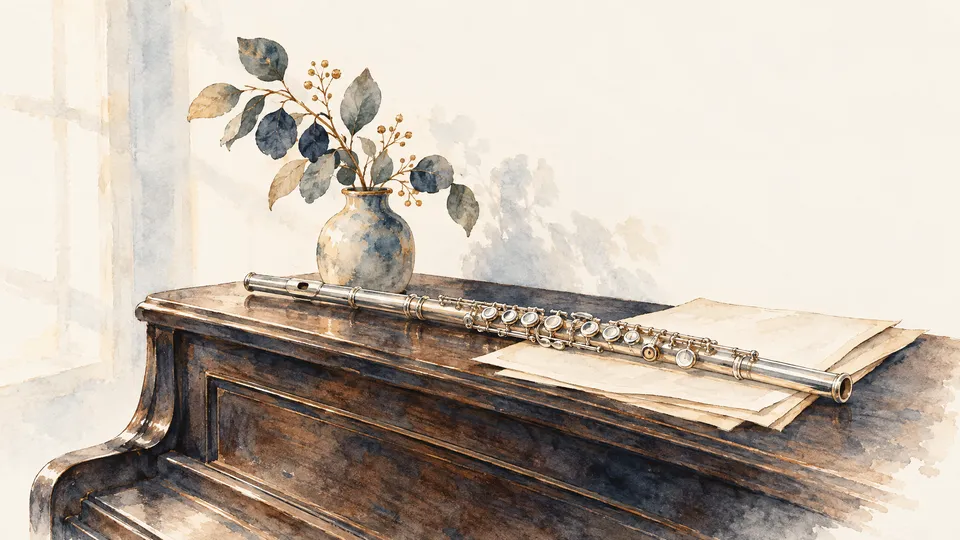
A child’s first serious step into music usually begins with the same question: which instrument? For parents the decision can feel almost as weighty as choosing a school. The good news is that there is no wrong door. Piano and flute both teach a child the language of music; they simply tell it in different ways.
At Soleil Sanat Akademi we teach both. Here are the questions we find most helpful when families are making up their minds.
The piano: a map of music
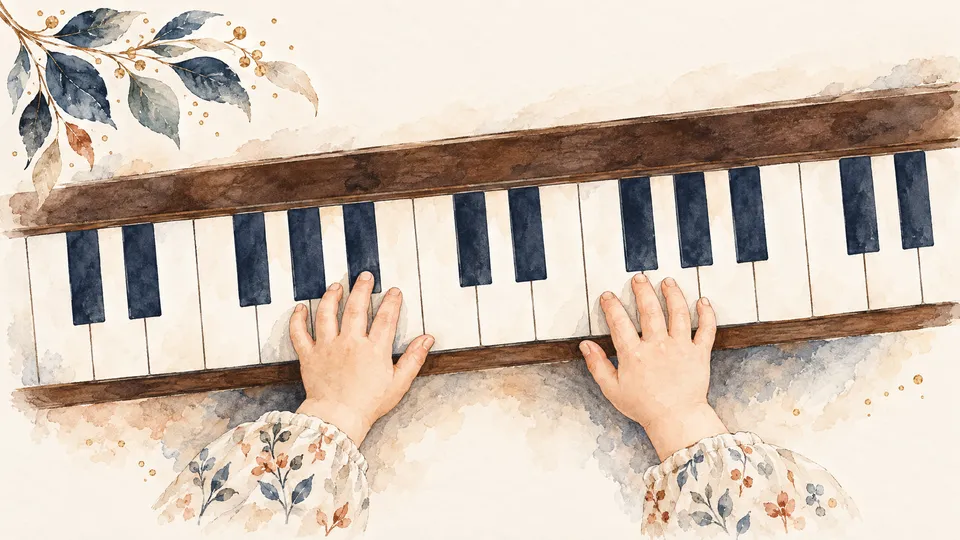
The piano lets a child see music as a whole. Sitting at the keyboard, they have every note laid out in front of them, and they can feel with their hands that a rising melody moves to the right and a falling one to the left. Because they can play melody and accompaniment at the same time, they also begin to understand harmony, how music is built, very early on.
Another advantage is that the piano sounds good from day one. Press a key and the right note comes out, so a child can focus on making music rather than on producing a sound. That is especially encouraging for younger beginners.
What the piano asks for is coordination. Getting two hands to do different things, and reading two staves at once, takes time. With patient practice the skill develops, and it tends to benefit a child’s concentration and ability to plan as well.
The flute: a song carried on the breath
The flute is shaped by the player’s own breath. In that sense it is very close to singing: the colour, strength and length of every note are directly in the player’s control. Children who think in melodies and love to sing often find their voice on the flute remarkably quickly.
One distinction is worth making here. The recorder that many children play at school and the concert flute we teach are different instruments. The concert flute is held sideways, and its sound comes from a stream of air shaped by the lips. Producing a clear note takes some patience in the first weeks, but the look on a child’s face when that first clean tone arrives makes every effort worthwhile.
The flute is light, portable and at home in everything from orchestras to chamber groups, which makes it a lovely path for children who enjoy making music with others.
Questions worth asking
- How old is your child? Children can usually start the piano earlier. The concert flute needs a comfortable reach and some breath control, so it tends to be more enjoyable a little later.
- What do they love? A child who is forever humming may be drawn to the flute’s singing world; one who likes to explore the keys and asks “how does that work?” may be drawn to the structure of the piano.
- What is their temperament? The piano rewards independent, self-directed work; the flute offers more chances to play with others and be part of a group.
- What about practice at home? The piano needs an acoustic instrument or a digital piano with 88 touch-sensitive keys. The flute takes up less space but asks for short, regular breathing practice.
- Whose idea is it? Perhaps the most important question of all. A child’s commitment to an instrument they chose themselves often outweighs everything else.
Can they learn both?
They can, and it often works beautifully. The piano makes theory and harmony tangible, which helps a flute player understand music more deeply. The flute, in turn, gives a young pianist a feel for phrasing and breath. Even so, it is usually more effective to build a secure foundation on one instrument first and add the second later, rather than starting both at once.
Because Melis Mazmanoğlu teaches both flute and piano, children can make that move with the same teacher, in the same musical language. Accompanying flute students at the piano during lessons also helps them hear each piece as a whole.
What to expect in the first months
Whichever instrument you choose, the first months are a settling-in period. On the piano, children first get to know the keyboard, learn to use each finger independently and count simple rhythms, and before long they are playing little pieces with both hands. On the flute, the first goal is a clear, steady sound. That stage can take a little longer than on the piano, but once the sound settles, the tunes come quickly.
On either instrument, short and regular practice beats long and occasional sessions. For a young child, even a few focused minutes every day make a real difference, and treating practice as a fixed, enjoyable part of the day rather than a chore helps the habit take root.
Before you buy
It is wise to wait until your child’s interest is clear, and to ask their teacher, before buying an instrument. For the piano, a digital instrument with weighted keys is usually fine to begin with, while an acoustic piano needs regular tuning. For the flute, what matters is a sound student model that suits your child’s hands and height. The wrong instrument can dampen the enthusiasm of even the keenest beginner.
A trial lesson: letting your child show you
For all these questions, the clearest answer often comes from the child. Holding the instrument, making the first sounds and meeting the teacher in a trial lesson soon shows which direction feels more natural. In that lesson we also look at your child’s interest, attention span and physical readiness, so that we can give you a clear recommendation.
In the end, the right instrument is the one your child wants to come back to every week. The rest comes with patience, regular practice and a little courage.